 עברית
עברית English
About
Who We Are
Kahenatoch Beit Midrash
The National Council of Ethiopian Jewish Kessim in Israel, together with the Kes Azaria Spiritual Center for the Heritage of Lika Kahenat Melke Azaria, is proud to launch the Beit Midrash project for training young Kessim. This is a unique and pioneering initiative aimed at building the next generation of spiritual leadership within the Ethiopian community in Israel.
The project, led by Kes Avihu Azaria, son and successor of the late Lika Kahenat Kes Melke Azaria, alongside his honorable fellow Kessim, combines an ancient, millennia-old tradition with a modern and innovative educational vision. Kes Avihu, who was ordained as a Kahen by his father, holds a degree in education and is a recognized and influential leader on a national level.
The Beit Midrash is built upon a solid foundation of knowledge, experience, and deep professional insight, developed over the years of activity by the Ethiopian Jewish Kessim Council Association and the late Kes Azaria Spiritual Center.
Our Goal is Clear:
To educate and train young spiritual leaders, Kessim of the new generation — who will preserve, deepen, and spread the secrets of the tradition, Halachic laws, and the customs of our ancestors, just as they were strictly preserved by the community's priests in Ethiopia for generations. The Kessim who grew up in Ethiopia served not only as religious leaders but also as the pillars of the community: judges, teachers, Halachic authorities, and spiritual guides. Upon this foundation, we are rebuilding, here in Israel.
The Beit Midrash will operate in gradual stages, strictly adhering to high-quality, carefully selected content that combines a living tradition with a contemporary understanding of modern challenges. This aims to nurture a committed, profound, and relevant leadership for the younger generation.
This is an important and vital step for preserving the spiritual identity of the Beta Israel community, strengthening the status of the Kessim in Israeli society, and developing a new generation of ethical, dedicated, and meaningful leadership that will continue to serve the community with loyalty to the tradition, vision, and a shared future.
In the name of the Ethiopian Jewish priests throughout the generations — Kahen (Priest), Kahenat (Priests), Lika Kahenat (High Priest) — we are privileged today to lay another milestone in the revival enterprise of the Beta Israel heritage in Israel.
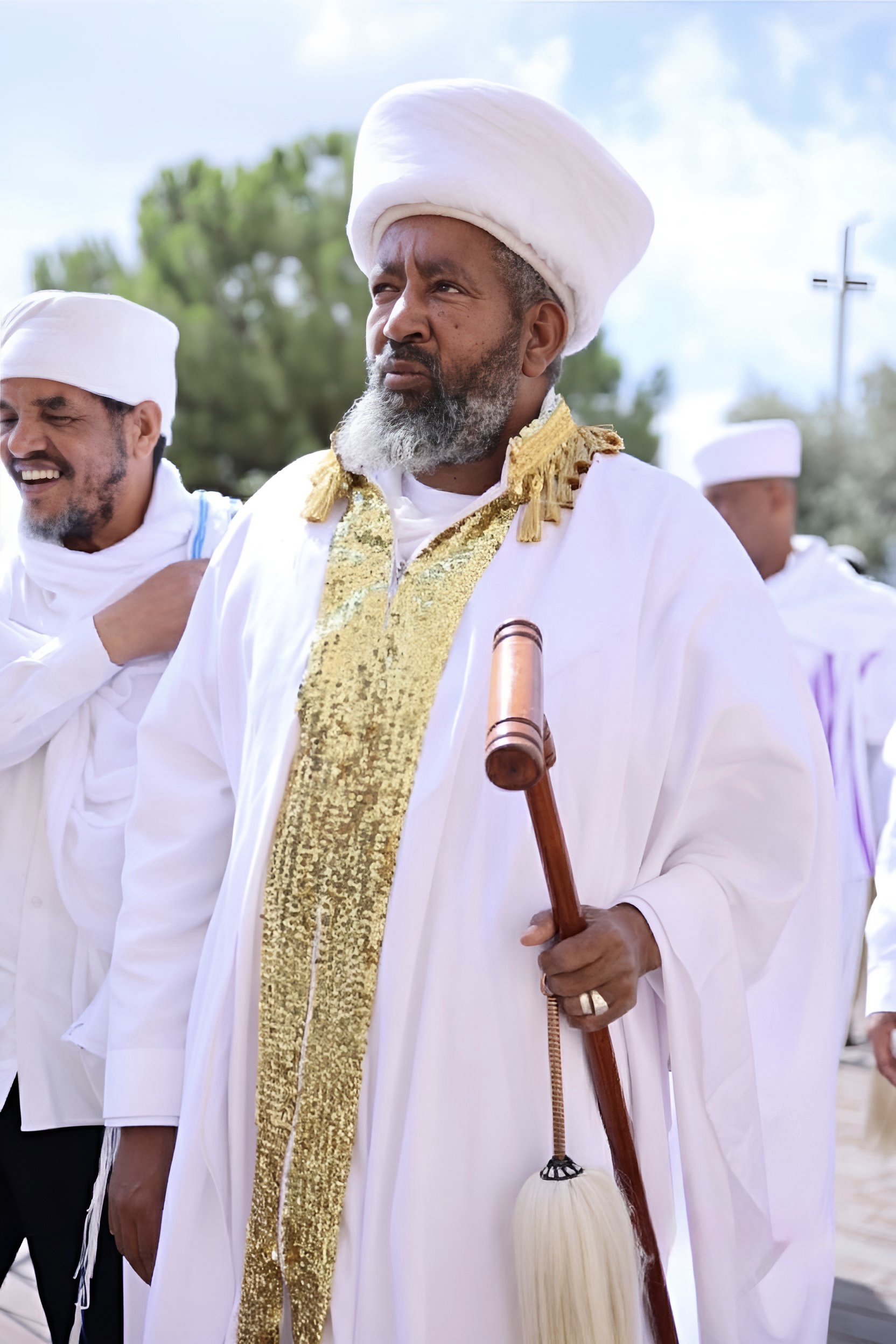
The Beginning of a Mission
How the Kahenatoch Beit Midrash Was Born
This is a moving moment, a moment of restoration, connection, and responsibility.
Today, here, we stand at a new chapter of beginning and continuity for an ancient spiritual leadership, preserved with bravery and self-sacrifice for many generations.
In difficult times in the past, when the Beta Israel community suffered persecution, the Kessim — the spiritual leaders — stood up and fought with such devotion that some chose to throw themselves from a cliff rather than abandon their faith. In the place where they fell, a spring burst forth — a symbol of life and healing that over time became a holy site for future generations, a place turned to in prayer, hope, and faith.
Today, just as then, we face a challenge: a crisis of identity and a crisis of leadership. But the spirit of the Kessim does not surrender.
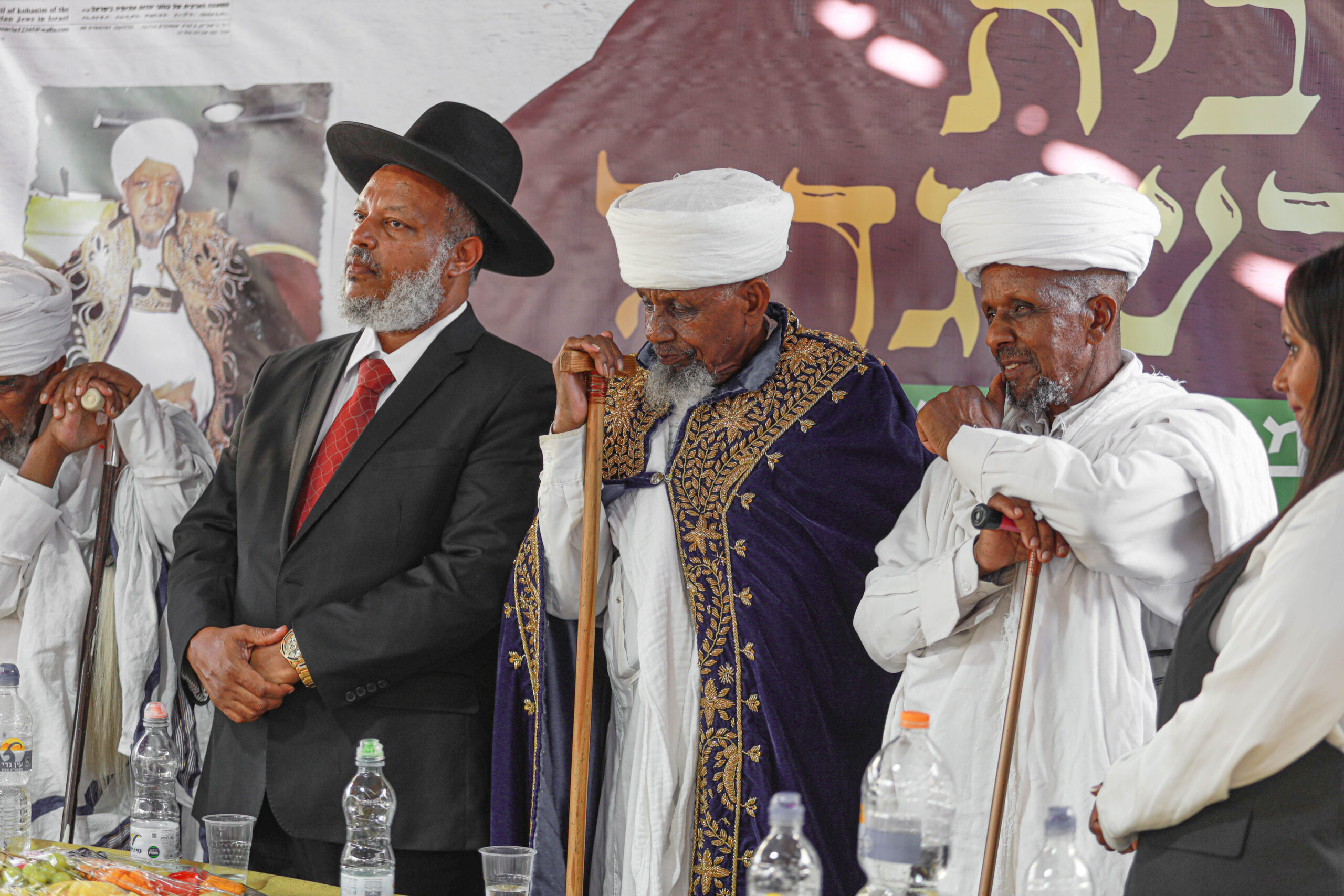
Kes Avihu Azaria, together with his colleagues in the Council of Spiritual Leaders Association, carries the torch and leads the establishment of the Beit Midrash, a place where young leaders will grow, learn, deepen their knowledge, and carry the Kessim heritage forward to the next generation.
This Beit Midrash is not just an educational institution — it is a declaration: that there are those who continue the path, that there is a future for the tradition, and that the past holds meaning. This is a moment of gratitude to those who acted, dreamed, and believed — and to all of us who are privileged to be partners on this journey.
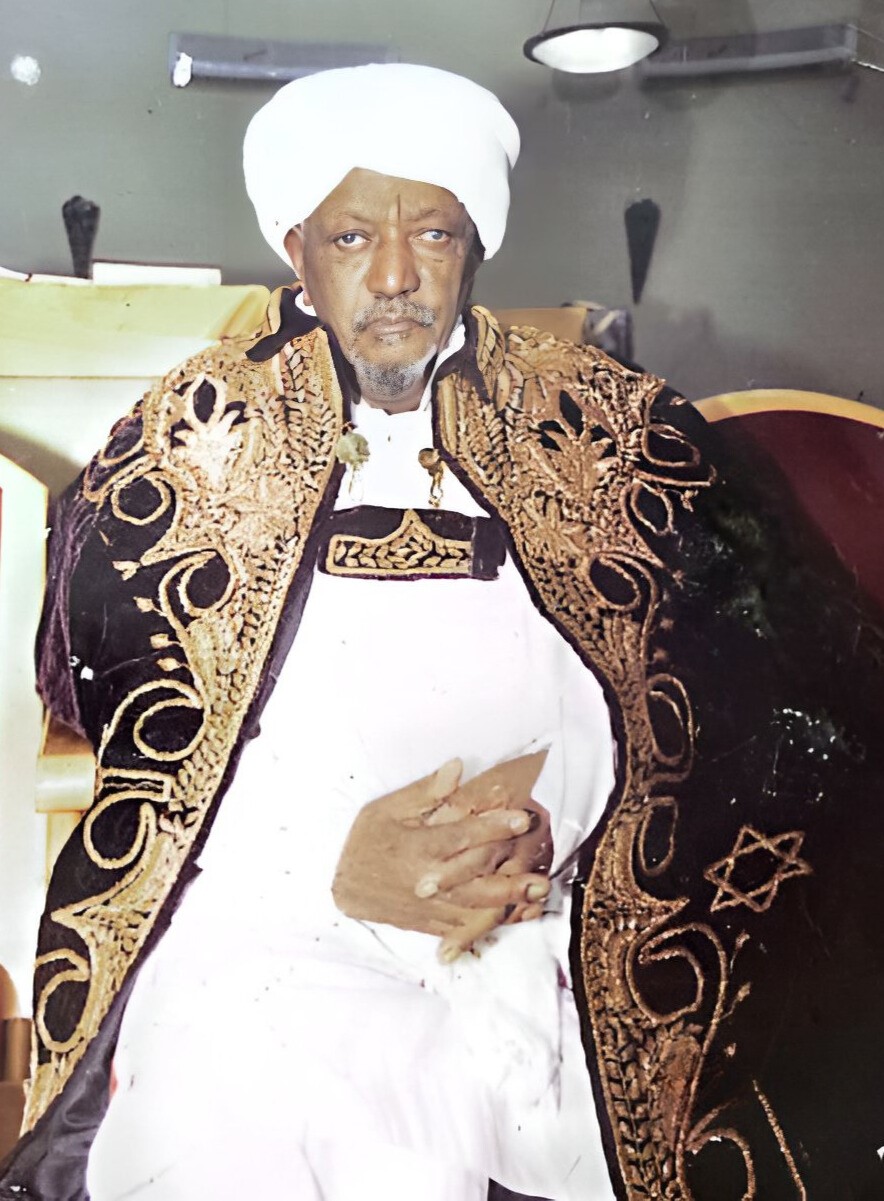
The Vision of Continuity
Our Vision:
To restore past glory and continue the path of generations of Kessim who preserved the spirit of faith, leadership, and tradition of the Beta Israel community. The Beit Midrash strives to cultivate a new generation of young Kessim — spiritual leaders who will bear the responsibility of preserving identity, strengthening values, and building a bridge between a glorious past and a renewing present.
The Beit Midrash serves as a spiritual and community center for learning, inspiration, and action, where ancient tradition finds contemporary expression and connects between generations. Through training programs, collaborations, and broad educational activities, we work to establish a unified and inspiring spiritual identity among the Beta Israel community in the Land of Israel.
Over 15 Kessim
Spiritual figures who guide the studies and preserve the tradition for the next generation.
Institutional Collaborations
With the Council of Spiritual Leaders, the Beta Israel Heritage Center, and communities across the country.
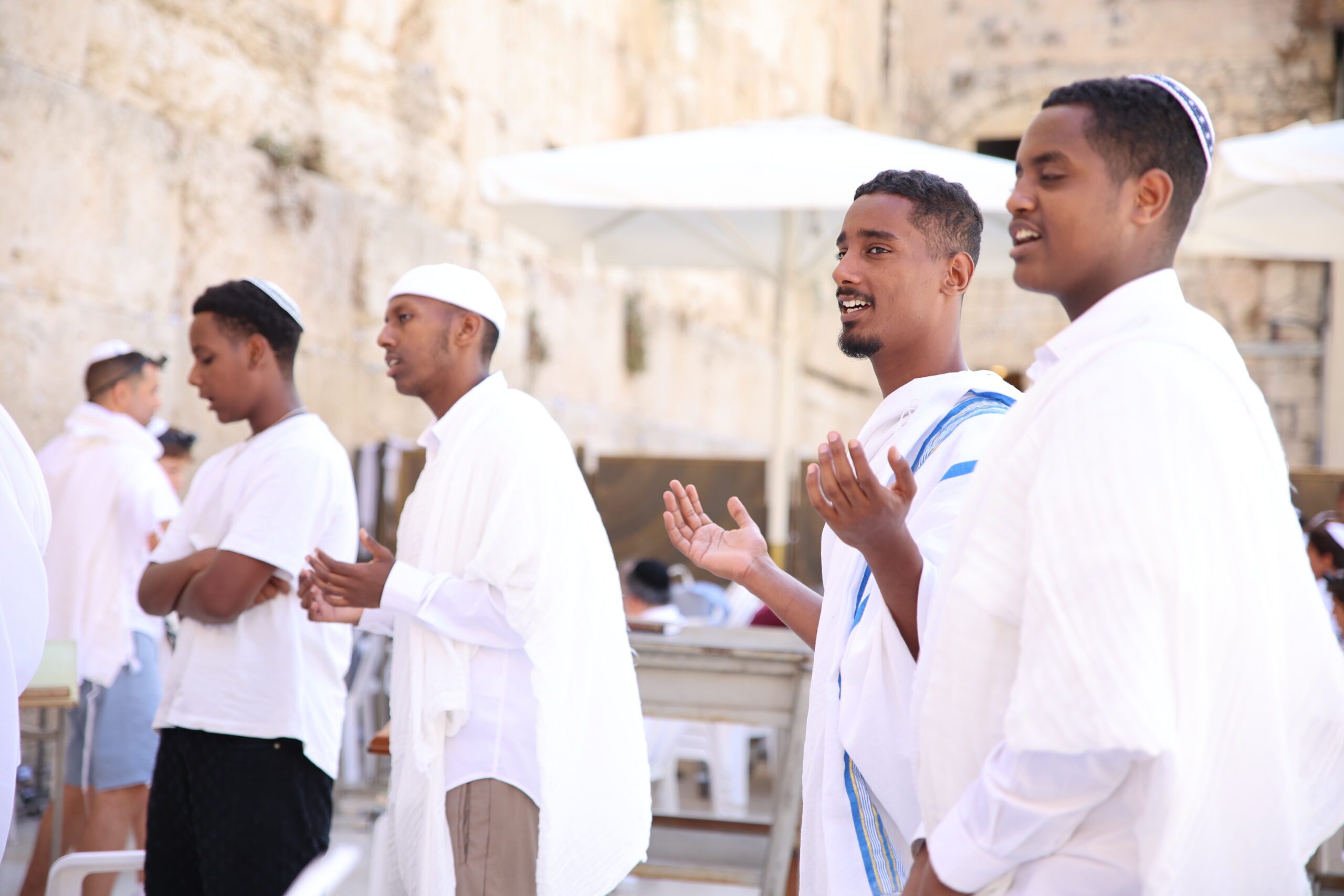
The Heart of Community Identity
The Kessim - The Spiritual and Social Backbone of the Beta Israel Community
The Kessim are the beating heart of the Ethiopian Jewish community, past and present. Their role is not limited to leading prayers or conducting ceremonies — it involves preserving an entire world of faith, identity, tradition, and values. They are a central link in the chain of generations: passing on the ancient tradition, preserving the spiritual and social identity, and strengthening the intergenerational bond within the community, both in Ethiopia and in Israel.
The Kessim in Ethiopia – Supreme Authority and a Way of Life
In the Beta Israel community in Ethiopia, the Kessim were the most central and influential figures. They were not chosen based on political connections or democratic elections, but were trained from childhood within a strict educational-spiritual system that sometimes lasted over a decade. The training included an in-depth study of holy texts in the Ge'ez language, observance of purity laws, prayer, asceticism, and even periods of isolation for spiritual deepening.
The Kessim served as judges, Halachic arbiters, teachers, and leaders. Every village or group of villages appointed a local Kes, whose duties included:
- Managing religious and community life.
- Safeguarding the unique calendar of Beta Israel.
- Educating the younger generation according to ancestral traditions.
- Conducting life cycle ceremonies — circumcisions, marriages, funerals, purity rituals, and more.
- Resolving disputes and ruling on matters of Halacha and society.
Their authority extended beyond religion alone — sometimes the ruling of a Kes was stronger than that of the village chief or civil leader. The source of their power stemmed from the deep and unconditional trust of the community members, who saw them as faithful emissaries of tradition and faith.
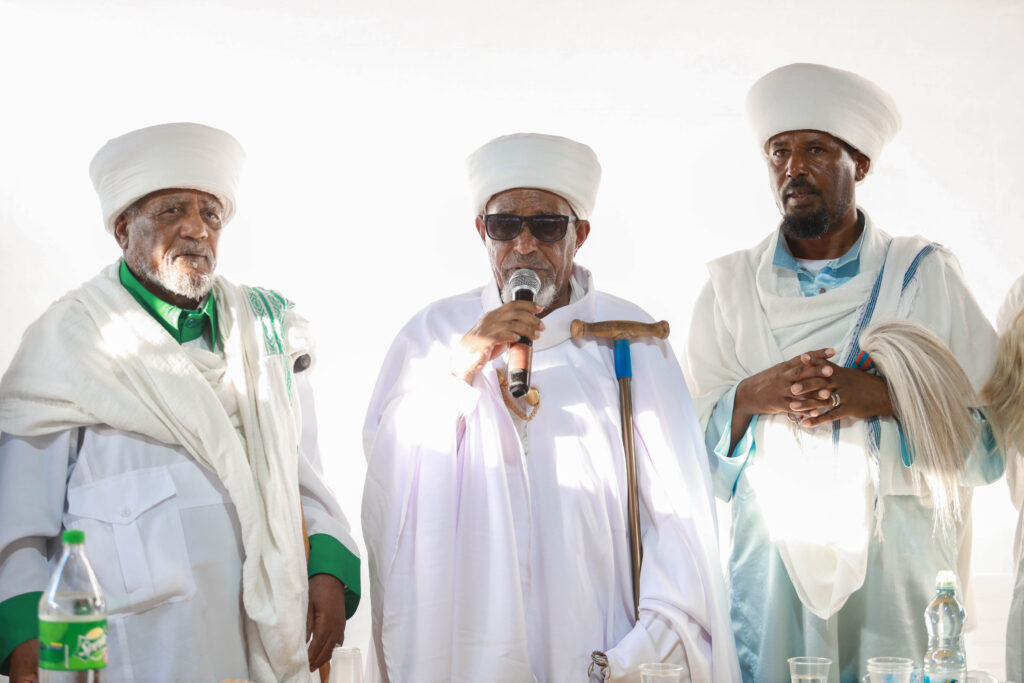
Preserving Spiritual Identity in a New Era
Immigration to Israel – A Challenge to the Status of the Kessim
With the immigration to Israel, the Kessim faced a complex identity challenge. The traditional system encountered a secular and bureaucratic state that did not always understand or accept the uniqueness of Beta Israel Judaism. The Chief Rabbinate, based on Talmudic traditions, struggled to recognize the biblical-priestly tradition of the Kessim. This created a gap, and sometimes even a disconnect, between state religious institutions and the spiritual leadership of the community.
The lack of official recognition led to Kessim not receiving positions in the state religious system, not being ordained as official rabbis, and sometimes being excluded from state ceremonies. Many of the younger generation, growing up in a different environment, distanced themselves from the tradition, and the authority of the Kessim weakened.
A Tradition in Growth
A Process of Recognition and Renewal
Despite the hardships, a gradual change has occurred in recent decades. The Kessim began to receive partial recognition from the Ministry of Religious Services, local authorities, and other public institutions. Many communities seek to preserve the tradition and raise a new generation of young Kessim who will learn the ancient way. New training programs — formal and informal — have begun to operate, sometimes initiated by the veteran Kessim themselves.
Concurrently, there has been a cultural and spiritual awakening: holy books have been translated, ceremonies explained, and traditional holidays have gained renewed exposure. Among the second and third generations, there is a growing interest in their roots, identity, and heritage.
The Importance of Continuing the Tradition
The Beta Israel community is one of the oldest in the Jewish world, and its tradition has been preserved for over 2,500 years — even under conditions of isolation, persecution, and hardship. The Kessim were the central force that enabled the spiritual and social survival of the community. Their role served as a "bridge" between a glorious past and a vital future.
Today, in Israel, the main challenge is to lay the groundwork for the next generation of Kessim — leaders who will learn, apply, and develop the tradition in a modern reality. Only in this way will spiritual and community continuity be ensured, out of respect for the past and openness to the future.
The Roles of the Kessim:
The Kessim, as the religious priests of Beta Israel, bear a broad responsibility that includes:
Managing religious and social ceremonies: Marriage, divorce, purity, burial, welcoming the Shabbat, Bar Mitzvah, and more.
Safeguarding Halacha and customs: Kashrut according to tradition, purity laws, dress codes, avoiding contact with the impure, and even imposing community sanctions.
Spiritual and traditional education: Transferring knowledge and training to the younger generation through personal study, poetry, Midrash, and storytelling.
Judging and arbitration in community matters: Resolving conflicts, determining fines, or facilitating reconciliation according to tradition.
Leading prayers and religious events: In synagogues, in nature, and at pilgrimage sites.
The ordination of a new Kes is a long and profound process, involving years of study, strict adherence to a rigorous lifestyle, and receiving official approval from senior Kessim. It is an entire spiritual and moral journey — not merely an educational process.